Estimation Tool

Sandbag Calculator

Estimate how many sandbags you need for flood control, levee construction, or erosion protection — based on height and linear footage of your barrier.

Quantity Estimator
How Many Bags Do You Need?
These estimates are based on standard 40 lb compacted sandbags using pyramid stack placement — the most common method for levees and flood barriers. Results are ballpark figures. For large or complex projects, call us and we'll work through the numbers with you.
Pyramid Stack Estimator
Get a Quote for This Order →
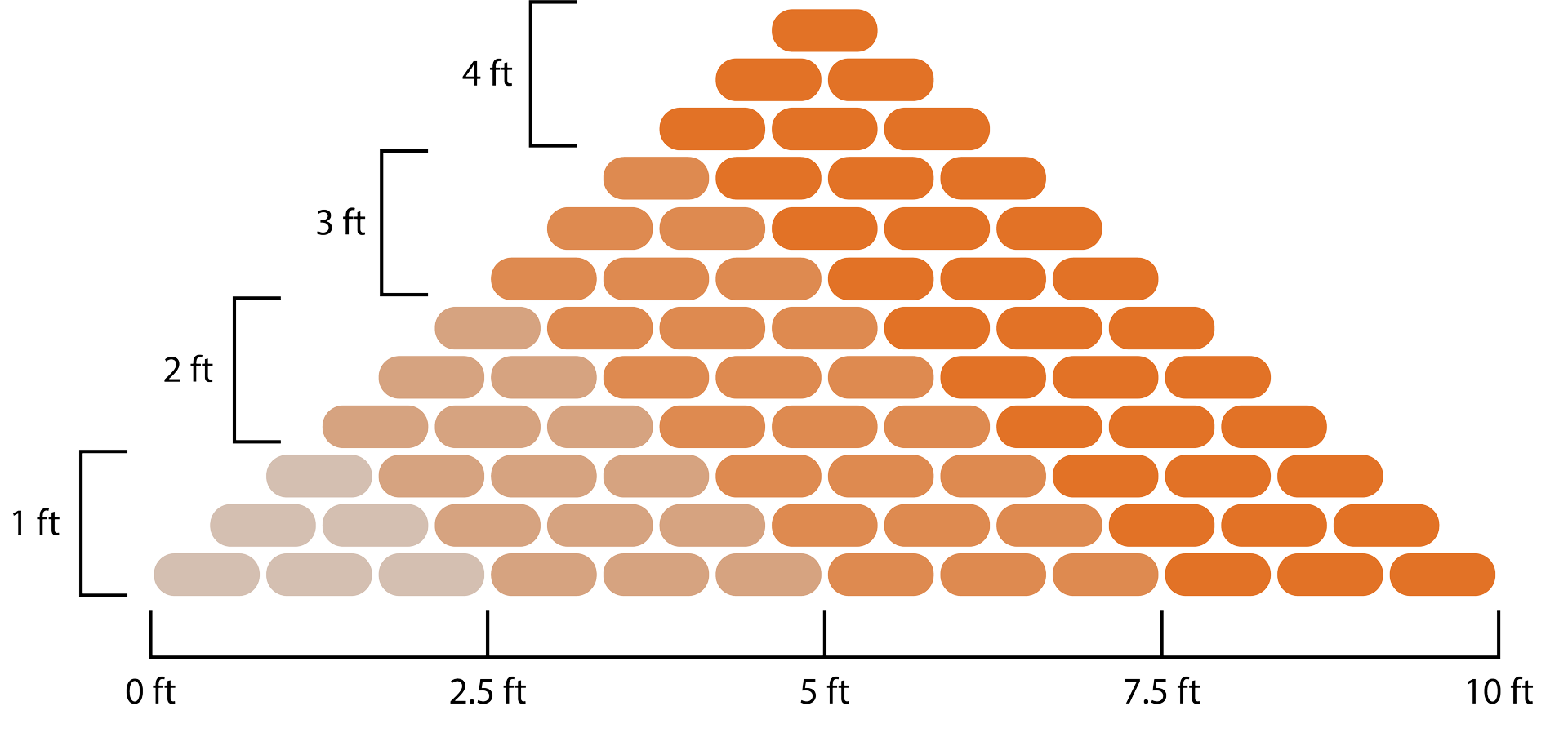
Pyramid Stack — Per 100 Linear Feet (40 lb bags)
Barrier HeightBags Required
1 foot600 bags
2 feet2,100 bags
3 feet4,500 bags
4 feet7,800 bags
Bag Dimensions (40 lb, compacted)
DimensionMeasurement
1 bag in length≈ 1 foot
3 bags in width≈ 2½ feet
3 bags in height≈ 1 foot
US Army Corps of Engineers Official sandbagging techniques reference guide
Download PDF →
Placement Methods
How to Stack Sandbags
Sandbag stacking diagram showing pyramid and single-stack placement methods
Pyramid Stack

The pyramid stack is the standard method for flood levees and barriers. Build equal horizontal rows on the bottom as there are vertical layers — this creates the pyramid shape that provides structural stability and resistance to water pressure.

Single Stack

A single row of sandbags works well in areas without streamflow or floating debris. Generally not recommended to stack a single row more than 3 bags in height (approximately 1 foot).

  • Always alternate bag orientation with each layer (like bricklaying)
  • Tuck the open end of each bag under the filled portion
  • Tamp each layer firmly before adding the next
  • For water barriers, line the water-facing side with plastic sheeting
  • Never leave gaps between bags — stagger joints between layers

Ready to Order?

Get a fast quote on pre-filled or empty sandbags delivered anywhere in the continental US within 24 hours.

Call Now Get a Fast Quote